Most people do not fail at affiliate marketing because the offer is bad. They fail because recruiting feels like a full-time sales job. That is exactly why people search for how affiliate rotator systems work. They want a system that can help create momentum without begging friends, chasing leads, or trying to become a marketing expert overnight.
An affiliate rotator system is built to solve one problem fast: how to distribute incoming prospects or new signups across a team in a way that feels fair, automated, and scalable. Instead of every affiliate being left alone to hunt for traffic and close every signup personally, the system rotates exposure and placements through a structured sequence. The result is simple. More people can plug in. More people can see activity. And beginners are less likely to get stuck with zero support.
How affiliate rotator systems work in plain English
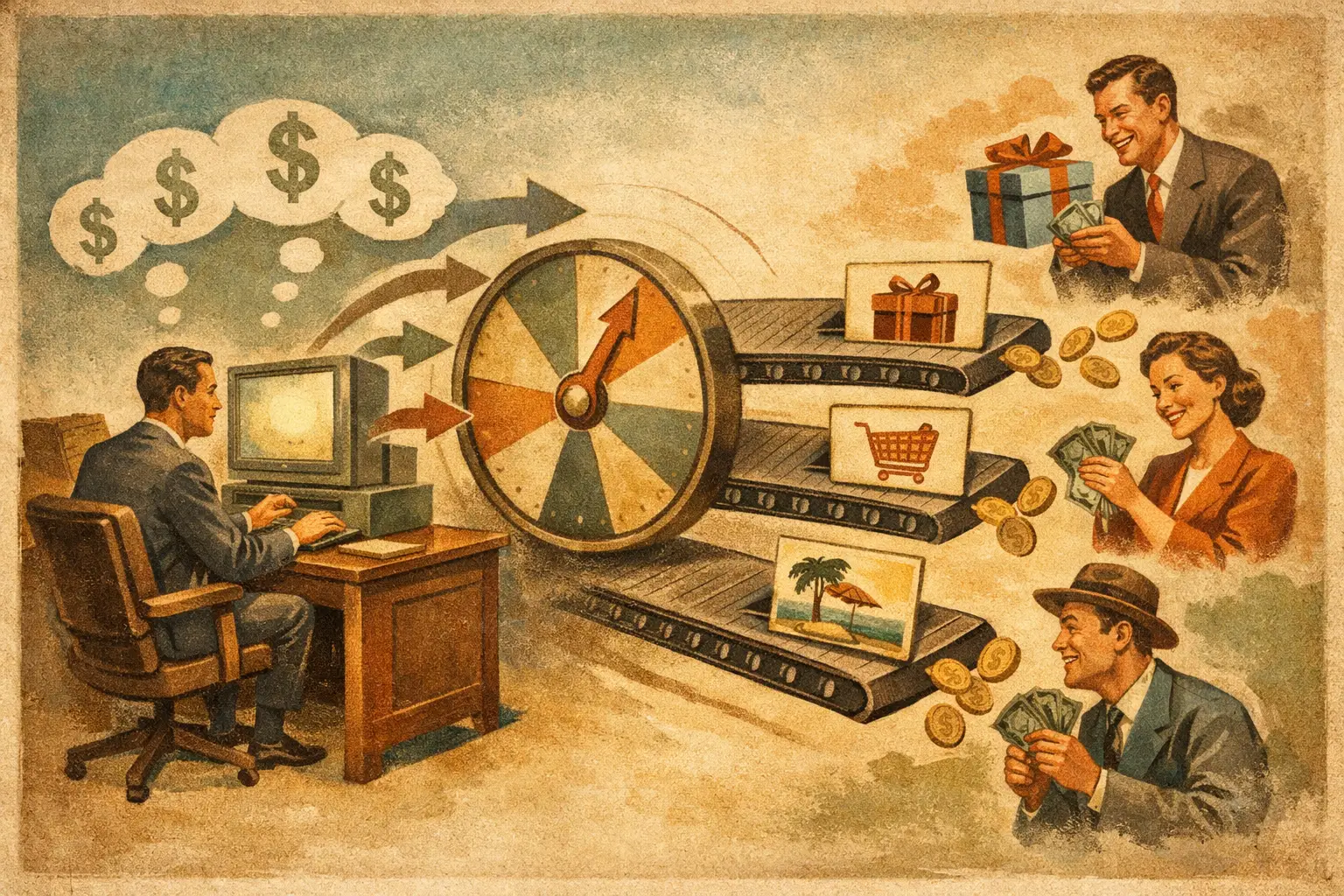
At the core, a rotator takes traffic, leads, or completed enrollments and sends them to different people based on rules already built into the system. Think of it as a traffic director for team growth. One lead might go to Member A, the next to Member B, the next to Member C, and so on. In other systems, the rotation is not based only on turns. It may factor in position, upgrade level, activity, or qualification status.
That matters because not all rotators are designed the same way. Some only rotate website visitors. Some rotate leads. Some rotate actual paid signups. Those are very different outcomes. A visitor is just a click. A lead is a prospect who entered contact information. A paid signup is the real result people care about. If you are evaluating any opportunity, this difference is not small. It is the difference between getting exposure and getting revenue.
The appeal is obvious. No chasing. No convincing. Just plug in and let the system do part of the work. That is the promise. And when the rotator is attached to a low-cost recurring offer, the model becomes even more attractive because one placement can turn into ongoing monthly commissions.
The moving parts behind affiliate rotator systems
Most affiliate rotator systems have four basic layers working together.
First, there is the offer itself. That could be a membership, software tool, hosting package, course, or business opportunity. Without a real offer, a rotator is just traffic movement with no business engine behind it.
Second, there is the capture and presentation system. This is where visitors land, watch a video, read the pitch, and decide whether to start. Good rotators usually connect to a simple funnel because complexity kills conversions.
Third, there is the rotation logic. This is the part that decides who gets credited, who gets the next prospect, or where the next signup is placed. Some systems use straight round-robin rotation. Others use forced matrix style placement, pass-ups, coded bonuses, or qualification rules.
Fourth, there is team support. This gets overlooked all the time, but it is where many systems win or lose. If someone gets placed under you and no one helps them understand the offer, set up their account, or stay active, the rotator may create signups but not long-term growth. Automation helps. Retention still matters.
Why beginners are drawn to this model
Most people looking for home-based income are not trying to become full-time closers. They want leverage. They want a system that shortens the learning curve and gives them a shot to earn without building everything from scratch.
That is why rotators are so attractive. They lower the pressure of traditional recruiting. Instead of feeling like you must personally generate every result, you are stepping into a structure that can distribute activity through the team. For someone who has struggled with cold messaging, awkward follow-ups, or zero sponsor support, that can feel like a major upgrade.
There is also a psychological benefit. Activity creates belief. When people can see real placements, live signups, or team movement, they stay engaged longer. Momentum matters in affiliate marketing. A quiet back office kills motivation. Visible action keeps people paying attention.
What happens when a new signup enters the rotator
This is where the system becomes real.
A new prospect arrives through a shared funnel, team page, or marketing channel connected to the rotator. They review the offer and decide whether to start a trial or become a paying member. Once that happens, the system checks the rotation rules and assigns the signup according to the current order.
In a basic model, the next eligible member receives the placement. Then the system moves to the next person in line. In a more structured model, the signup may be placed under a sponsor while also creating spillover for others in the organization. That is why some people use the word placement instead of lead. The person is not just browsing. They are entering the team structure.
This matters because placement can affect future commissions, depth, and duplication. If your model pays recurring monthly income, each new person who stays active may contribute to long-term earnings, not just a one-time payout. That is the real attraction of a subscription-based affiliate rotator. You are not only chasing a sale. You are building a base.
The big advantage – automation with visible leverage
The strongest affiliate rotator systems do not just automate traffic. They automate belief.
When people see that the team is active, that signups are being distributed, and that support exists after the signup, resistance drops. New affiliates stop feeling like they joined an empty promise. They feel plugged into movement.
That is why systems built around affordable monthly offers often convert well. The barrier to entry is lower, the decision is easier, and recurring billing means one customer can be worth more over time than a larger one-time sale. Add a free trial or low-friction starting point, and the model becomes even easier for hesitant beginners to test.
A platform like GDI Rotator leans into that exact advantage. The pitch is not that you need to become a recruiting machine. The pitch is that you can enter a structured system, get positioned inside a team, and let automation do what most people struggle to do manually.
Where people get confused about how affiliate rotator systems work
A rotator is not magic. It does not guarantee profit, and it does not remove all effort.
Some people assume joining a rotator means money starts flowing with no action at all. That is where expectations break down. Even the best system still depends on the quality of the offer, how much traffic is coming in, how the rotation is set up, and whether the team keeps members active. If incoming volume is weak, the rotation will feel slow. If retention is poor, early excitement fades.
There is also the fairness question. Not every system distributes results equally forever. Some reward those who join earlier. Some require members to stay active or meet certain conditions to keep receiving placements. Some are generous with spillover but still expect personal effort if you want the strongest results. None of that is inherently bad. It just needs to be clear.
So if you are evaluating a rotator, ask practical questions. Is it rotating clicks, leads, or actual enrollments? Are placements based on equal turns or qualifications? Is there visible proof of team activity? What happens after a person joins? These questions tell you whether the system is real or just dressed-up hype.
How to tell if a rotator is worth joining
A solid affiliate rotator system usually has a simple low-cost offer, a clean enrollment path, visible activity, and a support structure that helps new people stay engaged. It should make sense even to a beginner. If you need a spreadsheet and a coaching call just to understand the compensation flow, that is friction.
You also want a model with recurring potential. One-time commissions can be nice, but recurring income is what gives the business staying power. A small monthly commission repeated across enough active members can outperform bigger sales that never repeat.
Most of all, look for a system that removes isolation. That is the hidden value. The best rotators do not just send traffic around. They give people a place to start, a team to land in, and a reason to stay consistent.
If you have been looking for a simpler path into affiliate marketing, this is the real answer to how affiliate rotator systems work: they organize opportunity, automate distribution, and help ordinary people build with leverage instead of pressure. The smartest move is to choose one with a real product, clear rules, and a team structure that keeps working after day one.
🚀 Want to Build Your GDI Team Faster?
Discover how the Free Smart Rotator and Traffic Sharing Network help members create more exposure and team growth.
Start My $0 Trial Now →